A wedding is the one job where the garment is not the whole problem. Six or eight people have to read as one considered picture, without looking like they were issued the same thing, standing beside a gown that is the centre of the frame and should stay that way.
It is also the job with the least tolerance for being late, which is why the first thing I ask is the date and the second is how long you have been meaning to call.
Decide the through-line first
Before anybody is measured, three things need settling: one cloth family, one level of formality, one shoe. Get those agreed and the party will hold together no matter how different the people in it are.
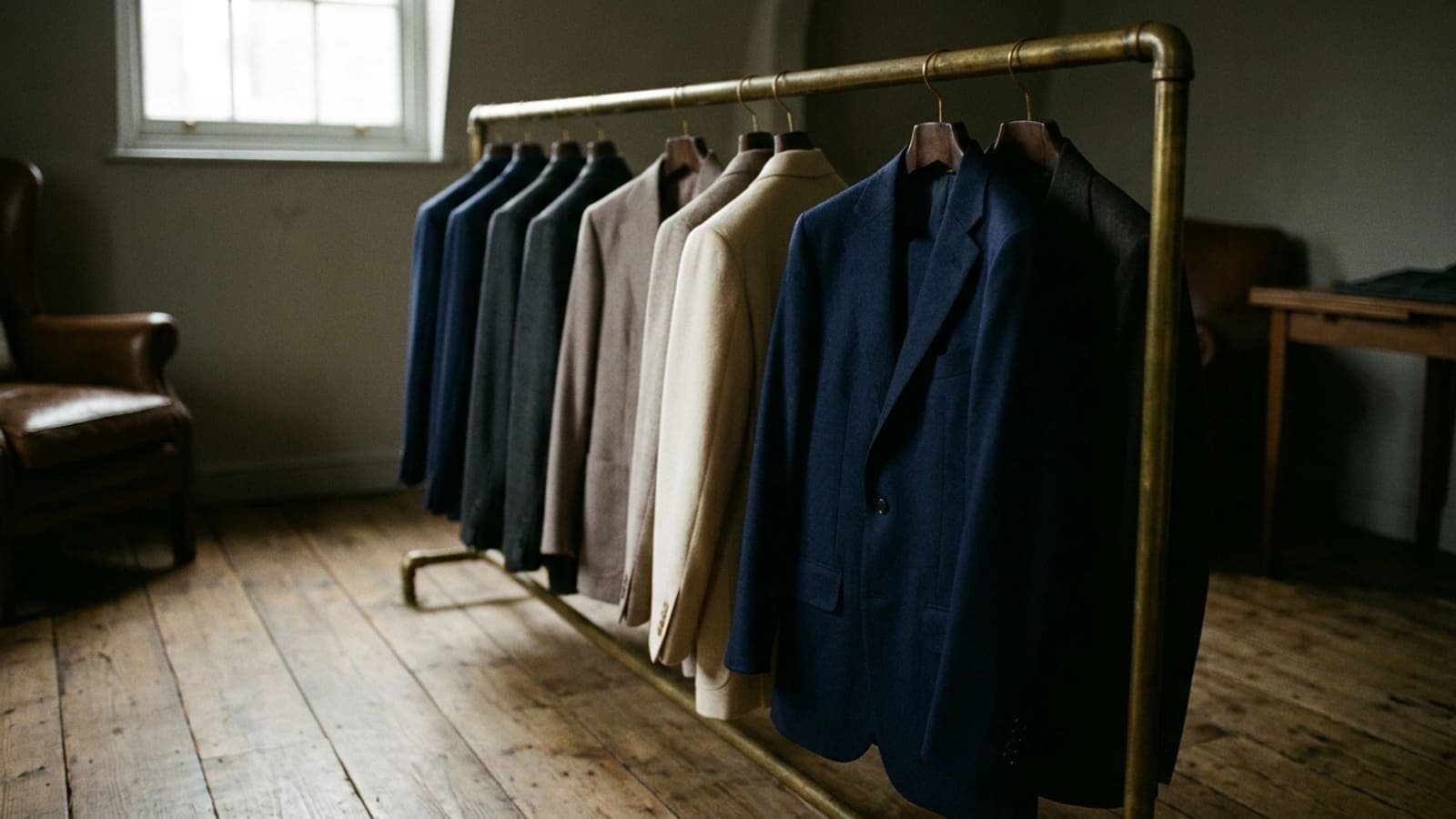
Then let the individual garments differ where they should. A best man built like a rower and a father of the bride who is not do not need identical jackets — that produces a group photograph in which one person looks correct and everybody else looks approximate. They need jackets that agree.
The most common failure I see is the opposite instinct: hiring eight identical suits in eight nominal sizes. What you get is a line of men in garments that fit none of them, and it shows in every photograph taken that day, permanently.
The gown
A bridal gown consultation runs a full hour, because a dress is never a twenty-minute conversation. We look at it on you, work out what it actually needs, and set a schedule that has the final fitting comfortably clear of the date rather than the week before it.
Gown alterations are their own discipline. The constructions are heavier, the fabrics less forgiving, and a great deal of the work is invisible — what looks like taking in a seam is often rebuilding the structure underneath it.
Bring to that appointment:
- The shoes you will actually wear, at the actual heel height. Every proportion below the waist depends on it, and a hem cut to the wrong heel cannot be undone
- Any undergarments or foundation pieces the dress is designed to sit over — the fit changes materially without them
- Anything else that will be worn with it: a veil, a jacket, a belt
What we do not do
We no longer alter bridesmaids' dresses. That is a real limit and I would rather state it here than have someone discover it in a fitting room in May with a wedding in June.
The reason is not snobbery about the garments. It is that a full gown or a groom's commission cannot be held up behind a queue of small jobs, and taking both means doing one of them badly. Bridal gowns — yes. Groom and groomsmen, alterations or bespoke — yes. Bridesmaids — no.
The argument for making rather than hiring
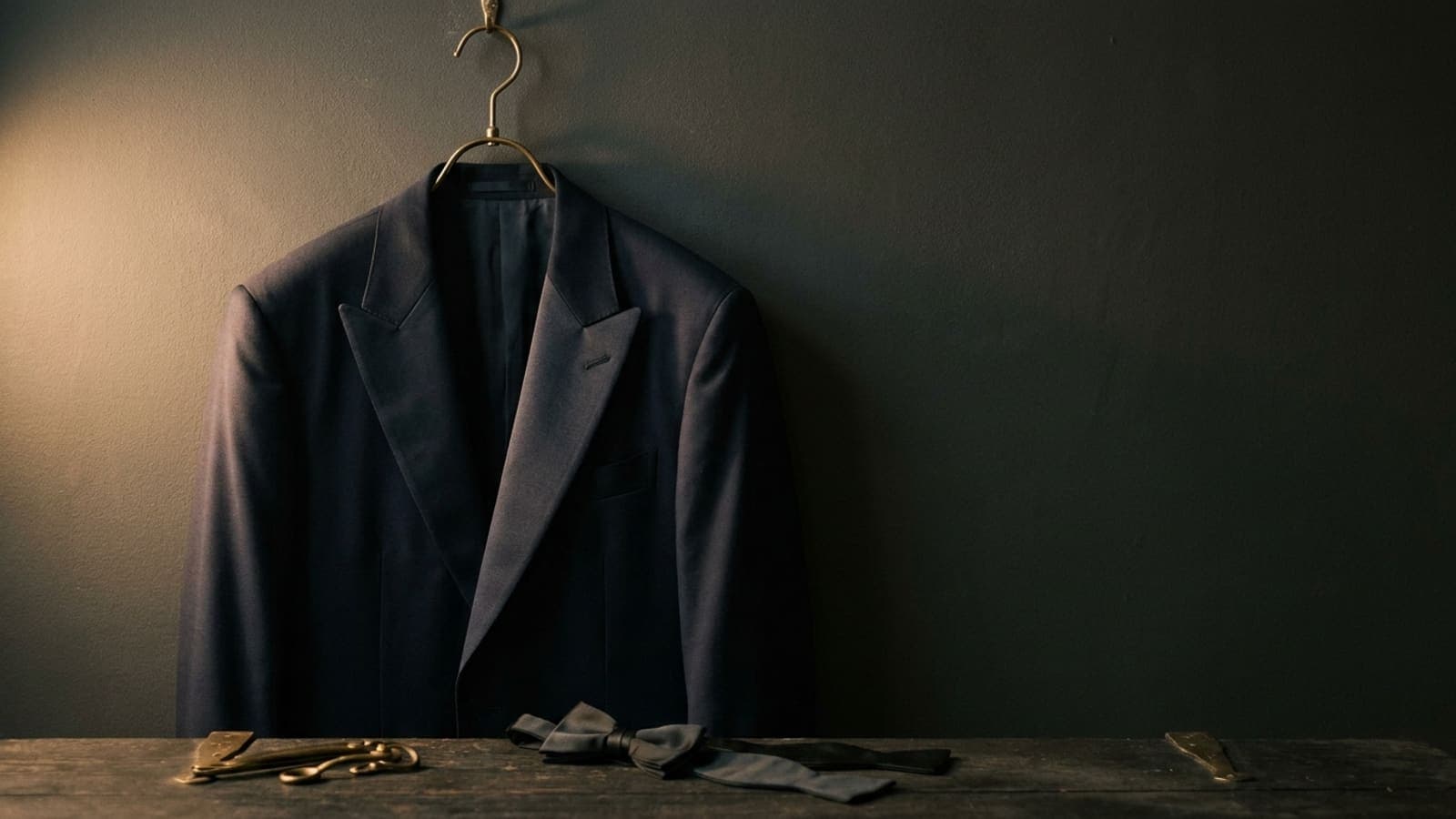
A hired suit is worn once and returned. A commissioned one is worn at the wedding and then keeps working in a boardroom for years afterwards, which changes the arithmetic considerably — particularly for the groom, and often for a father who was going to buy something anyway.
Suits the party already owns can also simply be brought properly to their bodies, which is frequently the right answer for groomsmen who are travelling in. Between those two options most wedding parties can be dressed well without anybody hiring anything.
Whichever route, come in earlier than feels necessary. The rhythm of fittings is a great deal kinder when nobody is counting days.
A rough timeline
Working backwards from the date, and allowing for the fact that everything slips:
- Six months out — decide the through-line: cloth family, formality, shoe. This is a conversation rather than an appointment, and it settles everything downstream
- Four to five months — the gown consultation, and commissions for anyone having something made. A commission runs through three fittings, and those need room to breathe
- Two to three months — alterations for anyone wearing something they already own. This is also when out-of-town groomsmen should be measured, wherever they are
- Three to four weeks — final fittings, deliberately clear of the date. Not the week before
The single most common failure is not leaving too little time for the garments. It is leaving too little time for the people — six adults with jobs and travel do not assemble on demand, and the fitting schedule is set by the least available of them.
Groomsmen who live somewhere else
This is the practical problem most parties hit, and it has a straightforward answer: have them measured properly wherever they are, by somebody who does this for a living, and have the garment fitted here when they arrive. What does not work is a set of numbers taken by a friend with a tape from the internet.
Build a final fitting into the days before the wedding for anyone travelling in. It is a small imposition on a busy week and it is the difference between a group photograph that works and one that nearly does.